


3 questions on biodiversity with OMGEVING: designing nature-positive neighbourhoods
Cities can only be future-proof if nature is part of the solution. That’s why biodiversity is a core value at Revive, and a guiding principle in every development.
To bring that ambition to life, Revive collaborates with landscape and urban design practice OMGEVING on several key projects, including Komet in Mechelen and the award-winning Minerve in Edegem. Together, we create outdoor spaces where biodiversity and quality of life reinforce one another. We asked Luc Wallaeys, Landscape Architect at OMGEVING, three questions about the future of biodiversity in urban development.
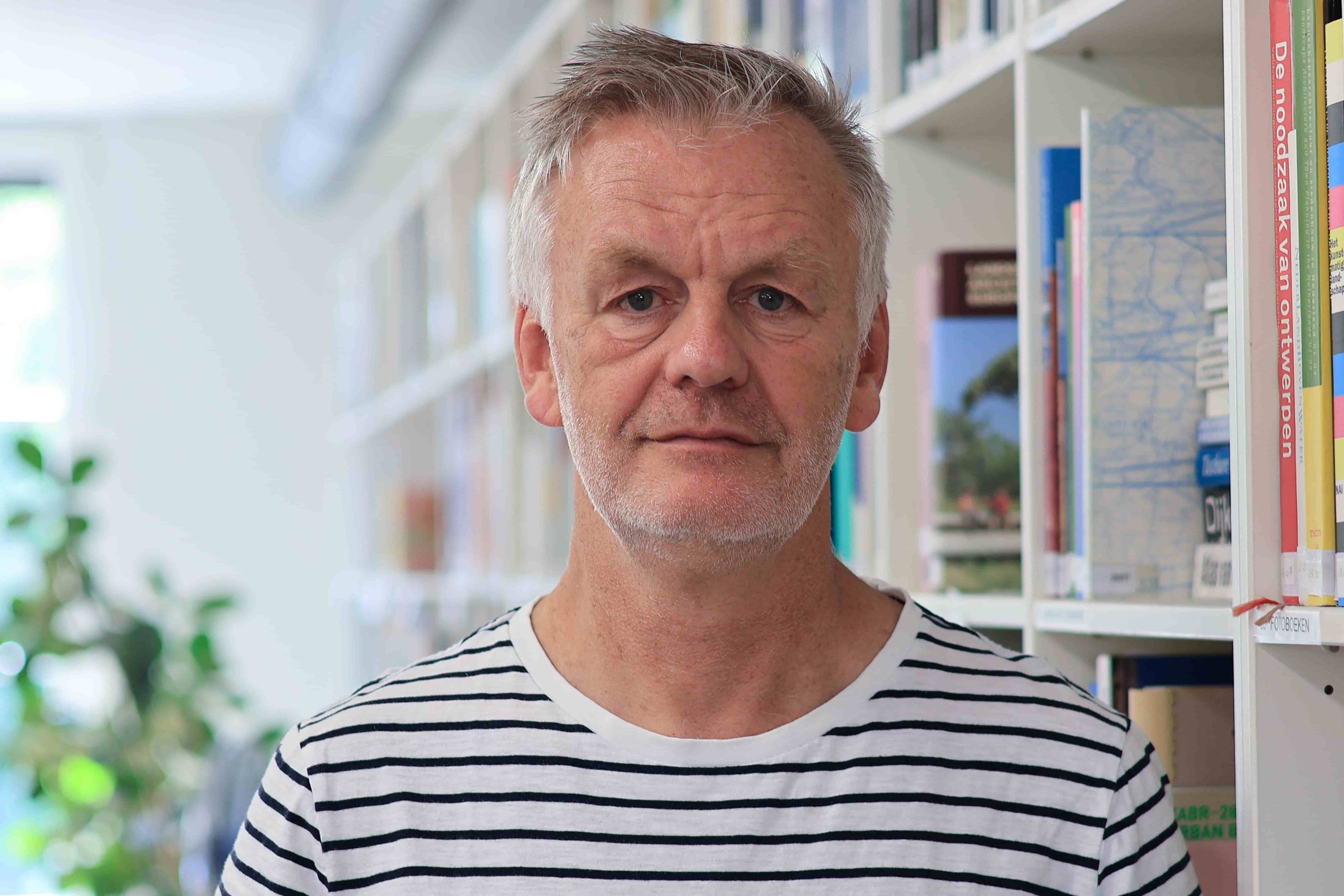
1. Which design principles have the greatest impact on biodiversity?
Landscape architecture has undergone a major transformation in recent years. In the past, outdoor spaces were expected to reflect the architecture of the development itself. The architectural style extended into the immediate surroundings. In recent years, this approach has changed completely. Today, the landscape architect ensures that the development fits into its surrounding environment, taking the existing natural landscape as the main source of inspiration.
This evolution results in entirely different types of green spaces. Where neatly maintained, highly designed gardens were once the norm, a looser and more natural approach has now become the standard. This trend reflects the growing awareness that further biodiversity loss would be detrimental to our living environment.
Sunny gardens have been replaced by shaded gardens, drainage systems by wadis, lawns by flower meadows, flower borders by plant communities, ornamental shrubs by fruit-bearing shrubs, and exotic trees by native species. Every one of these changes has a positive impact on biodiversity.
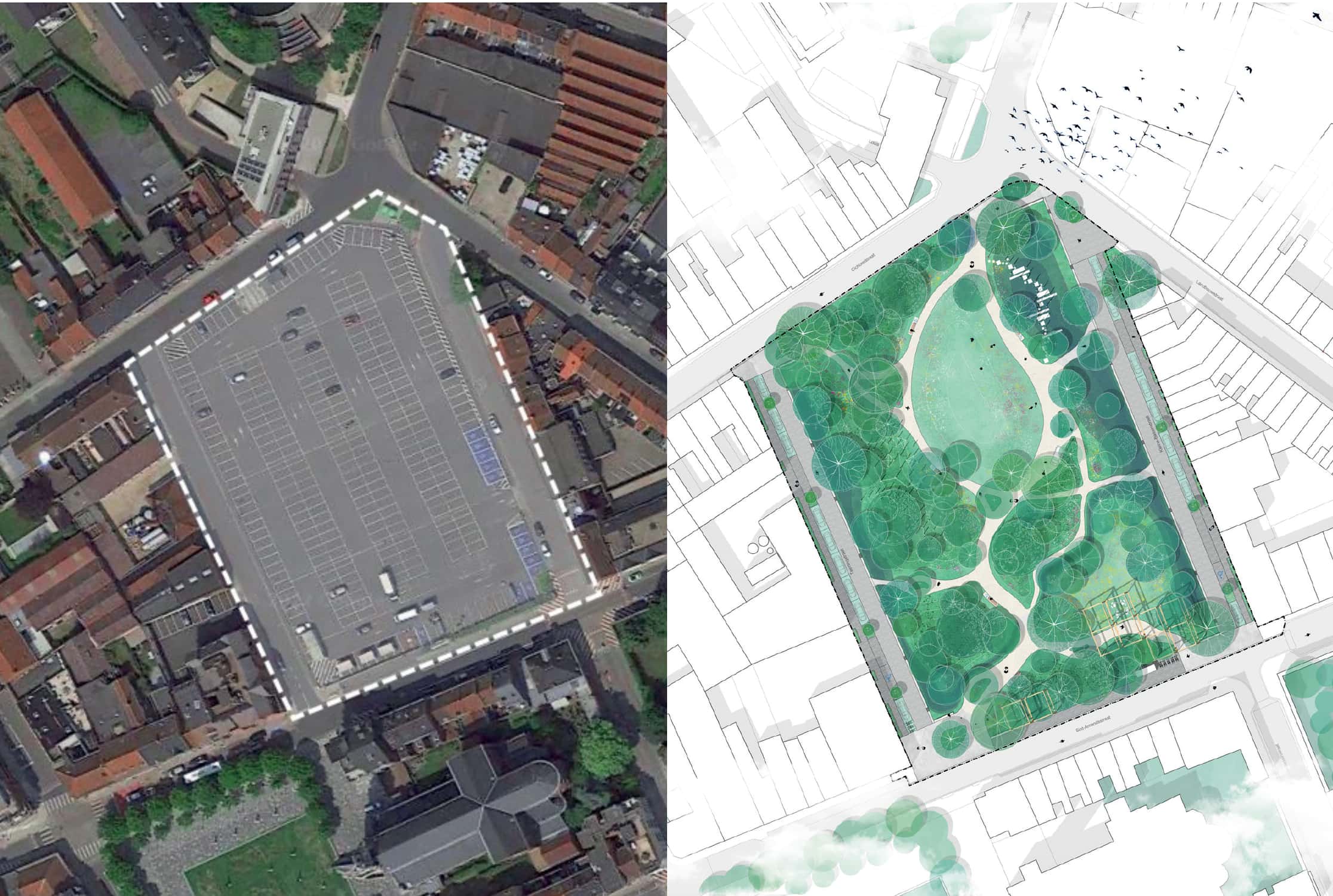
2. How do you combine biodiversity with residents’ expectations regarding maintenance, safety and aesthetics?
The biggest challenge is undoubtedly introducing a new aesthetic. Everyone loves images of nature, but not necessarily when those are translated into their immediate living environment. The principle of tidiness is deeply rooted. A neat, well-maintained garden is often seen as an extension of a tidy home. Ironically, just as robotic lawnmowers have made mowing virtually effortless, we are telling people that it is actually better to mow only twice a year. So what do we do with the robotic lawnmower? It is not an easy discussion.
Of course, there can still be an area of closely mown grass in the garden, but perhaps not everywhere. We are currently in a transition period that will continue for several years. In time, our growing ecological knowledge and the need to adapt to climate change will lead to a different garden aesthetic – one that is more firmly rooted in the characteristics of the local natural environment.

3. Which development or trend do you believe will make the greatest difference for biodiversity in urban developments over the coming years?
Climate change and the rapid decline of biodiversity will fundamentally change the way we conceive urban developments. Every new development will increasingly have to justify itself in relation to soil, water, nature, shade, the circular use of materials, and other environmental factors. High-quality living environments will distinguish themselves through labels and standards that recognise the presence of greenery, shade and biodiversity principles.
Nature-based solutions will become the new standard. The central question will always be: ‘What would nature do?’ This means working as much as possible with materials and solutions that are native to the area.
Cities will have to transform themselves into biodiversity hotspots, or they will become increasingly unliveable. It is therefore in everyone’s interest that greater attention is paid to the green character of our everyday living environment.
The cities that will thrive are those that embrace this transition today. Every tree we plant now will only be able to provide meaningful shade in ten years’ time. We therefore carry an overwhelming responsibility for our own future and for that of our children.