


Social connection
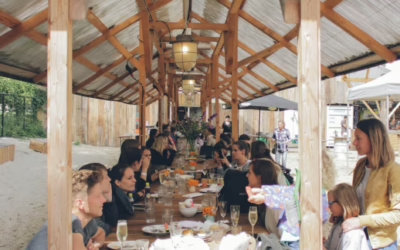
Our projects stand out because of their focus on social interaction. In a world that is increasingly digital and individualised, the importance of—and need for—social interaction remains as strong as ever. (Kitchen) gardens, squares, and the so-called ‘community barns’ are designed as meeting places where residents can come together, relax, and take part in activities. But the open green spaces also bring the wider neighbourhood together.
At Revive, we aim to bridge a divided society. We want to reduce loneliness, improve individuals’ mental and physical wellbeing, and promote social connectedness. By fostering a connected culture and designing shared infrastructure, we create opportunities for social interaction, a stronger sense of belonging, and avenues for engagement—always with respect for everyone’s personal space, privacy, and freedom. Our community managers are on hand to support these connections and help residents engage with one another in an accessible and welcoming way.
units are designated for social housing, and 26% of the units are allocated for alternative uses, such as community hubs and similar facilities.
-minute city: schools, shops, and more within walking and cycling distance
new open space
connected neighbourhoods where residents have already organised over 225 community-building initiatives
Connected neighbourhood vs design and architecture
Architecture and design play a crucial role in creating spaces that encourage social interaction and strengthen communities. At Revive, we are committed to focusing strongly on the social pillar of our new-build projects. Because designing public spaces with social interaction in mind starts with understanding the needs of the neighbourhood, we organise information sessions with the local community to understand their needs and incorporate them into the design wherever possible. Creating more public spaces in a neighbourhood also brings significant benefits:
✔️ Improving quality of life
Social cohesion: Creating more public spaces provides meeting points where people get to know each other, fostering a greater sense of connection.
Health and wellbeing: Green and recreational spaces encourage relaxation and physical activity, reduce stress, and enhance overall wellbeing.
✔️ Ecological benefits
Biodiversity: Green areas in public spaces provide habitats for plants and animals.
Climate adaptation: Green spaces help cool the city and manage rainwater, reducing heat and flooding.
✔️ Cultural and educational value
Heritage: Public spaces showcase and preserve culture and history through monuments, plaques, and themed parks.
Education: Initiatives such as community gardens and workshops increase environmental awareness and knowledge within the community.
✔️ Mobility and accessibility
Connectivity: More public spaces provide accessible walking and cycling paths, encourage active transport, and reduce car usage.
Inclusivity: Accessible spaces for everyone promote participation and social engagement.
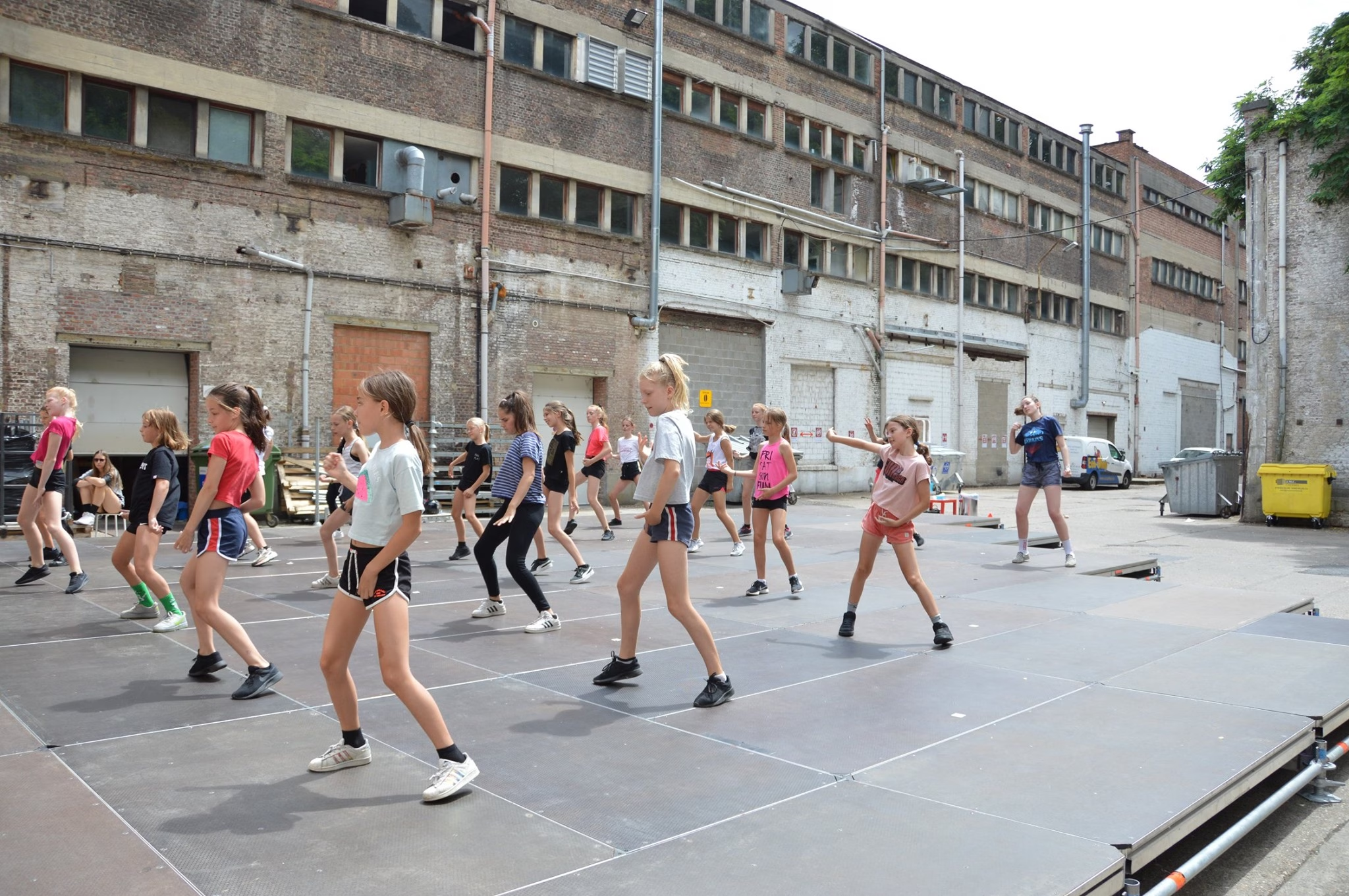
Temporary Use
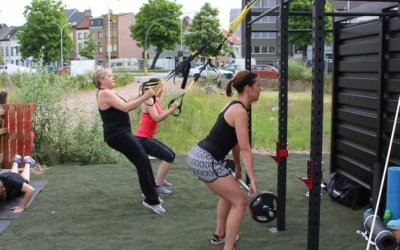
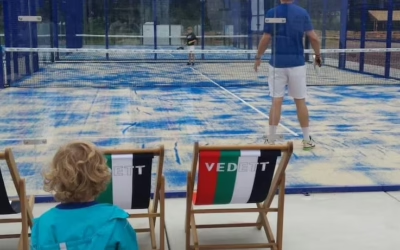
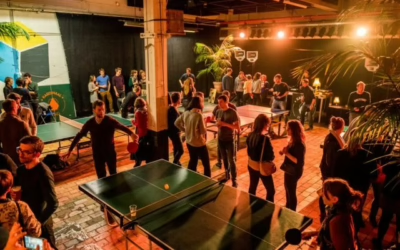
Oude industriële sites blijven vaak lang leeg door ontwerptrajecten en vergunningen, terwijl plekken voor ontmoeting, creativiteit en ontspanning in de stad schaars zijn. Door deze gebouwen tijdelijk open te stellen, ontstaat een kans om de buurt te verrijken en maatschappelijke waarde toe te voegen. Mensen kunnen er sporten, spelen, workshops volgen, kunst beleven of gewoon samenkomen.
Een tijdelijke invulling werkt rond drie kernprincipes: ruimte openen, de wijk verrijken en creativiteit en plezier stimuleren. Zo krijgt een voormalige “dode plek” nieuw leven, kan de buurt de locatie herontdekken en alvast kennismaken met toekomstige ontwikkelingen, waardoor de nieuwe wijk een natuurlijke uitbreiding wordt van de bestaande omgeving.

Community building
Our projects stand out because of their focus on social interaction. In a world that is increasingly digital and individualised, the importance of—and need for—social interaction remains as strong as ever. (Kitchen) gardens, squares, and the so-called ‘community barns’ are designed as meeting places where residents can come together, relax, and take part in activities. But the open green spaces also bring the wider neighbourhood together.
At Revive, we aim to bridge a divided society. We want to reduce loneliness, improve individuals’ mental and physical wellbeing, and promote social connectedness. By fostering a connected culture and designing shared infrastructure, we create opportunities for social interaction, a stronger sense of belonging, and avenues for engagement—always with respect for everyone’s personal space, privacy, and freedom. Our community managers are on hand to support these connections and help residents engage with one another in an accessible and welcoming way.